
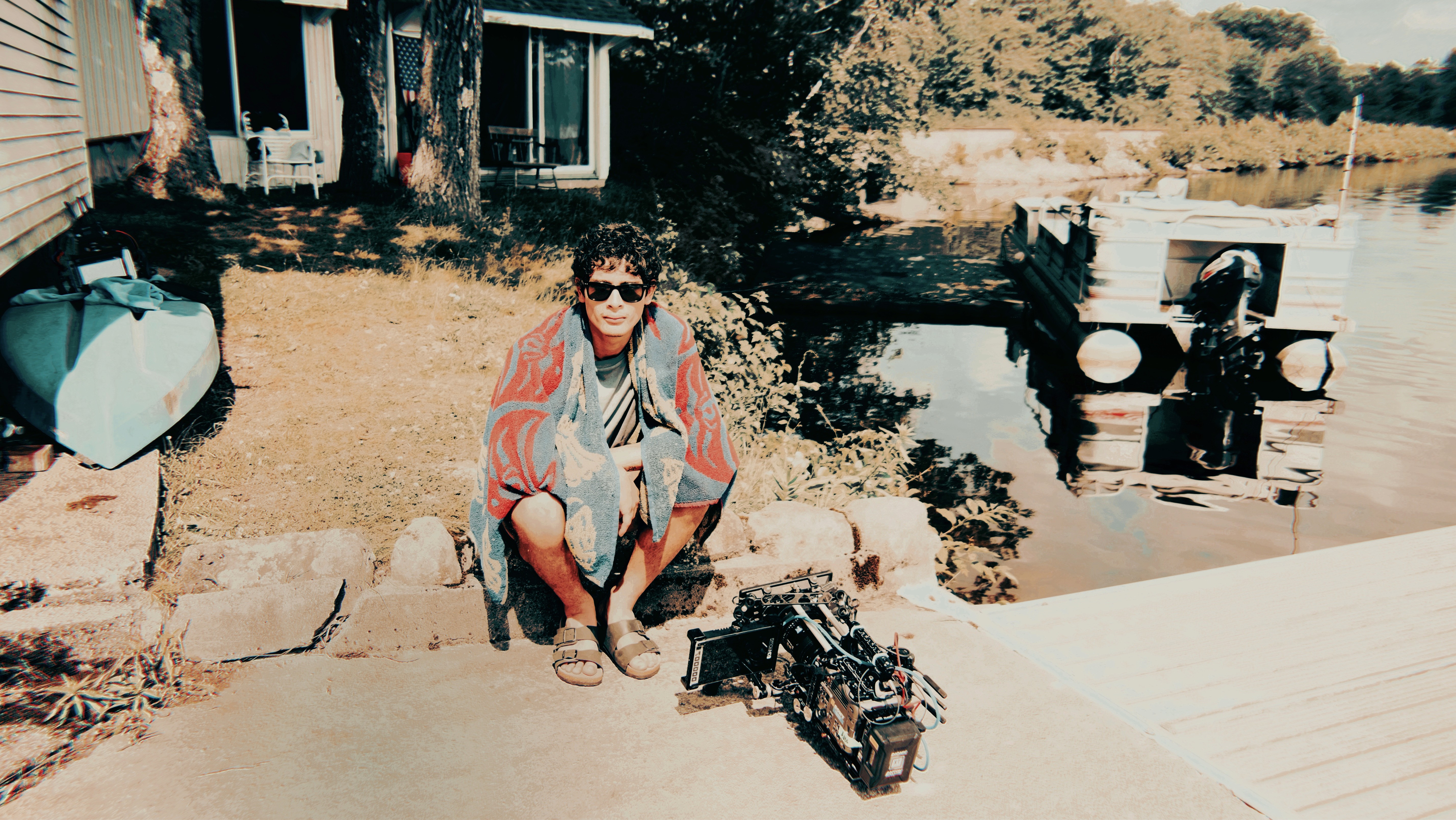
JESSE MICHAEL
ROMÉRO
His recent performances includes a lead role in the much anticipated upcoming indie feature film The Starfish (2026) directed by John DiGiacomo, as well as lead roles in indie shorts Dark Burdens (2026) directed by Dustin Whitaker, Casualties (2025) directed by Jenny M. Ng, and Apex (2025) directed by Alexander Tate Kuelling.
Jesse Michael Roméro is a Latin American actor from a small town in Washington State whose work reflects a practiced discipline, restraint, and clear commitment to the craft. Trained through classical method and shaped by years of scene study, Roméro approaches each role with absolute precision and methodical patience. He is drawn to character-driven stories that provide the opportunity for challenge and transformation, prioritizing depth over visibility and longevity over shifting trends. His trajectory is consistent not with an actor shooting for the stars, but one embracing the mountain’s treacherous climb with clear intent to reach the summit, one step at a time.



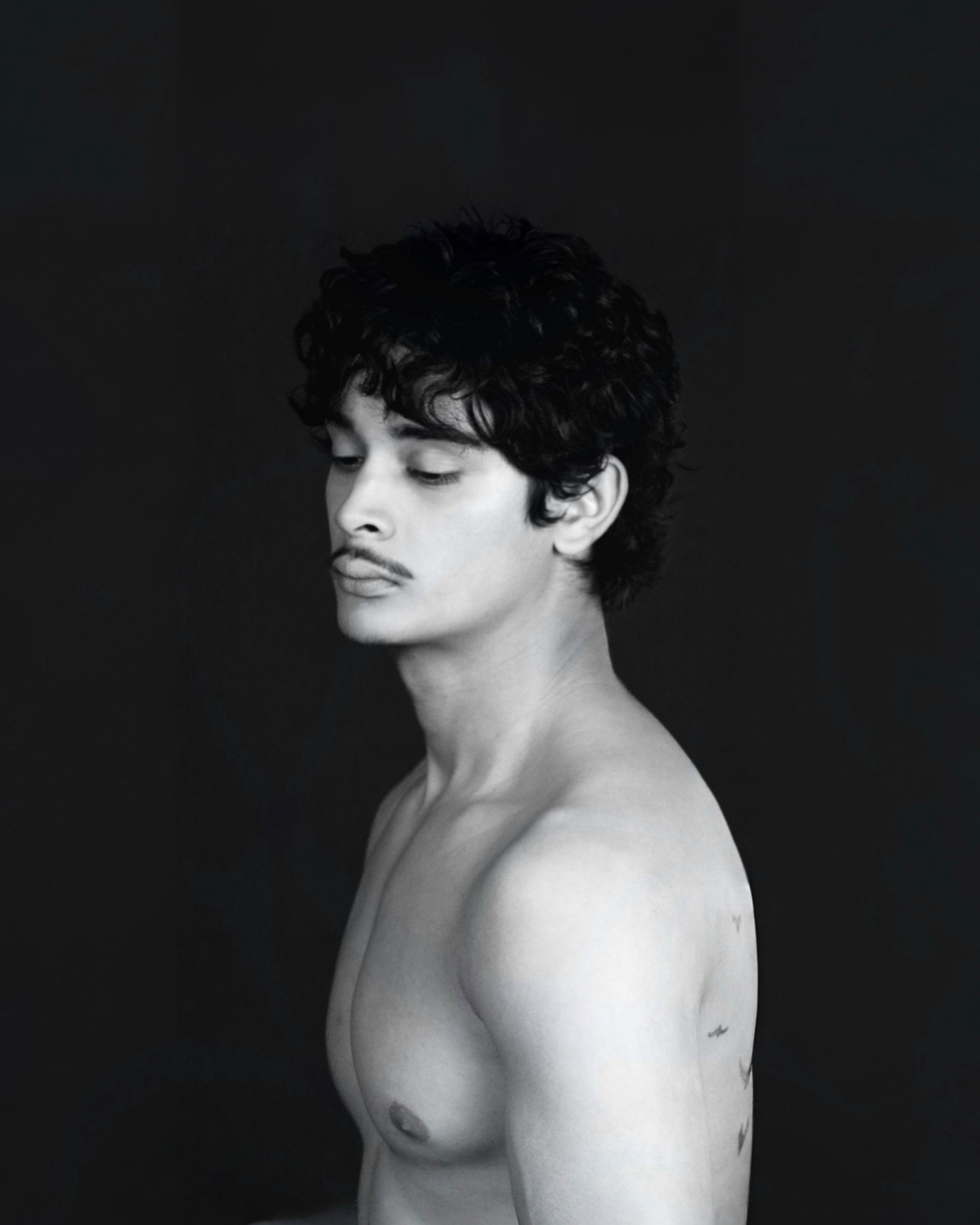
Roméro’s introduction to performance didn’t begin in studios or through world-famous conservatories, but in a basement living room. His first scene partners were his three brothers who shifted from directors to audience, from scene partners to critics at any given movement. There were no scripts, no lighting setups, just the raw moments that developed a core. Notes were given as if they mattered, and to Jesse, they did. A handheld camcorder was all Roméro needed to find the spark that would grow into an obsession, not with the lights and glamor, but with the performance as work.
Growing up in Tri Cities, Washington, meant distance from the industry he longed to join. This lack of proximity instilled self-reliance without a clear path forward. Without casting offices down the street or professional stages within reach, what existed was curiosity and repetition. He studied scenes, memorized monologues, listened to and learned from actors whom he drew inspiration from. His focus; constant improvement. And through separation from the Hollywood machine, he honed in his focus on the craft.
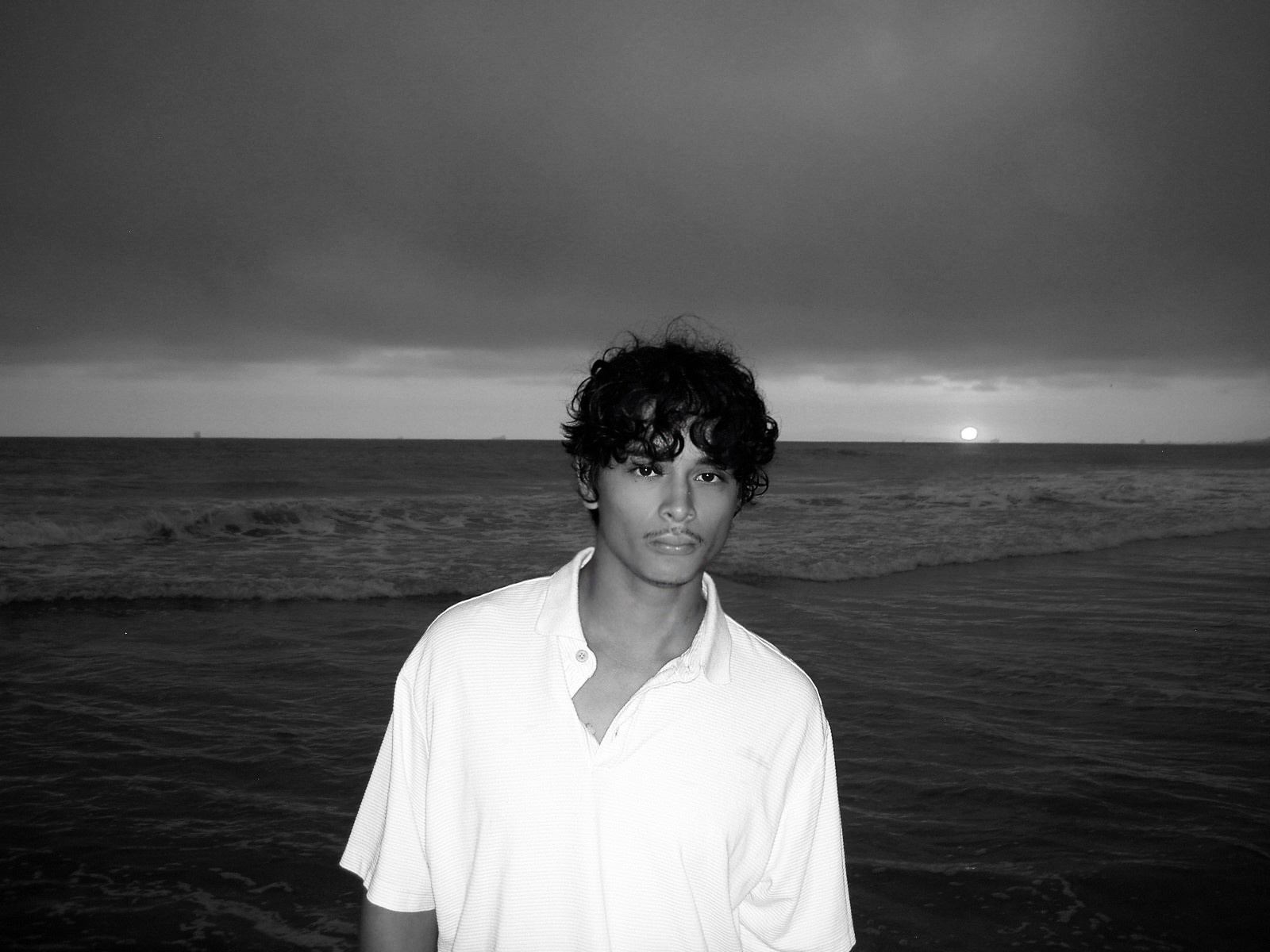
As his ambition sharpened into an intent, Roméro sought formal training. Scene study became part of his day to day, and script analysis pushed beyond surface lines. He grew his fascination for structure, objective, and reaction to understand a responsibility to the source material and its intention. Technique grew from an instinct that blended preparation and impulse into the art. Classical method provided an architecture to his drive. Training Stanislavski, Meisner, and Uta Hagen sharpened specificity and promoted a bold acting style that has served as the catalyst for Roméro’s process. He trained for years through productions put on at the Academy of Children’s Theatre and the Chiawana Stage Company, eventually coming to deepen his studies in Theatrical Performing Arts through acting mentor Shea King at Columbia Basin College. After graduating, Roméro trained Dramatic Arts under David Lee - Painter and dove further into Film and Television studies at the University of Idaho. It is also here where Roméro was bridged into International film culture, specifically European film. He went on to be selected for an Cinematic Story Telling Program through Charles University in Prague, Czech Republic. It is here where his exposure to European film culture broadened his understanding for choice. He observed how minimalism in character driven storytelling could carry such gravity and intensity, a perspective that would soon recalibrate his senses to be translated over onto screen. Following his studies abroad, Roméro would opt to not return to the University of Idaho, furthering his studies at the University of Oregon School of Theatre Arts, University of Oregon School of Cinema Studies, and the University of Oregon school of Journalism and Communication where he pursued Bachelors of Arts in Entertainment Advertising and Cinema Studies with Minors in Sports Business and Theatre Arts. It is here where Roméro spent the next 2 and a half years of his life, his hunger, patiently growing with each passing day, knowing his time would soon come.
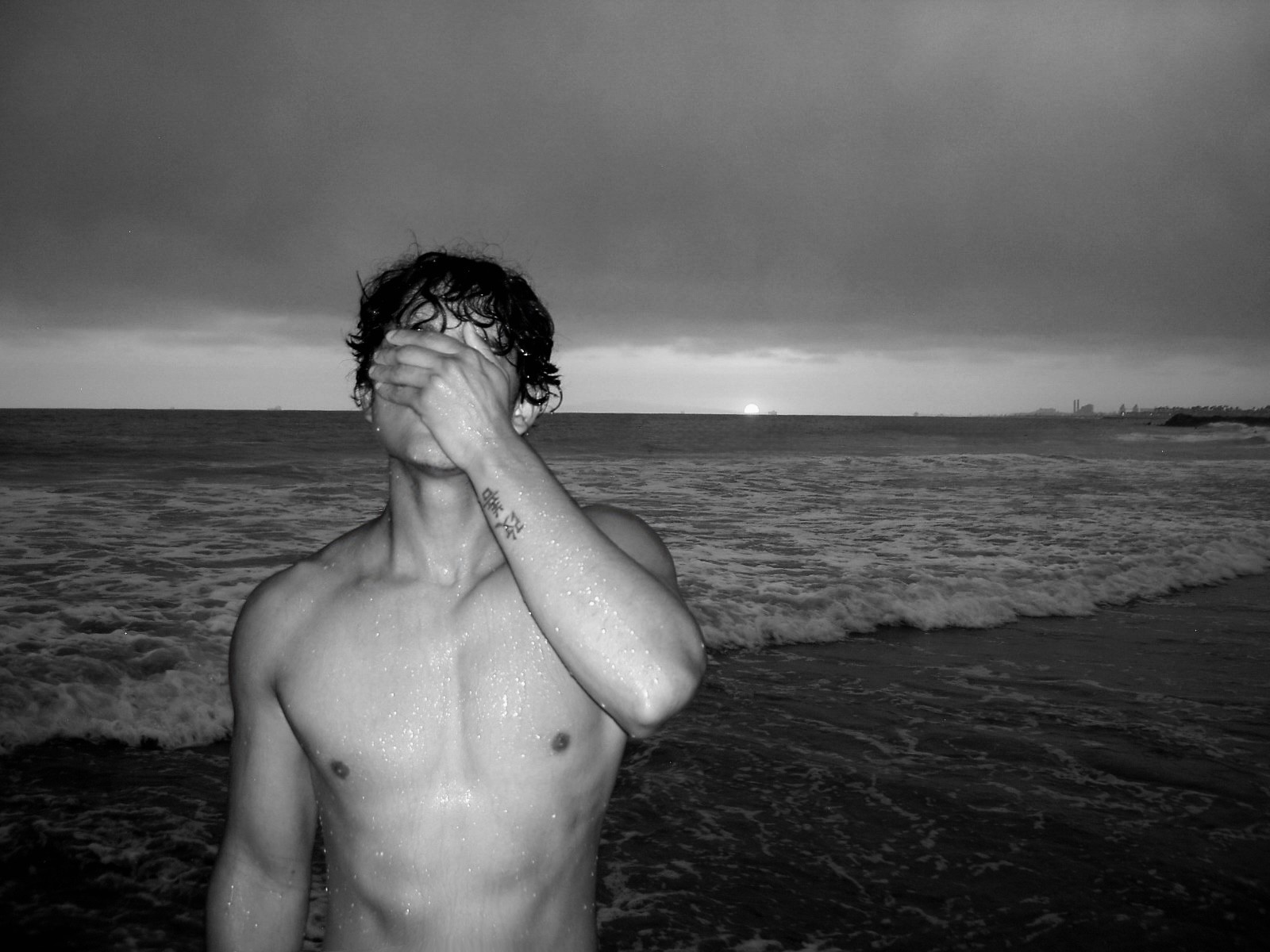
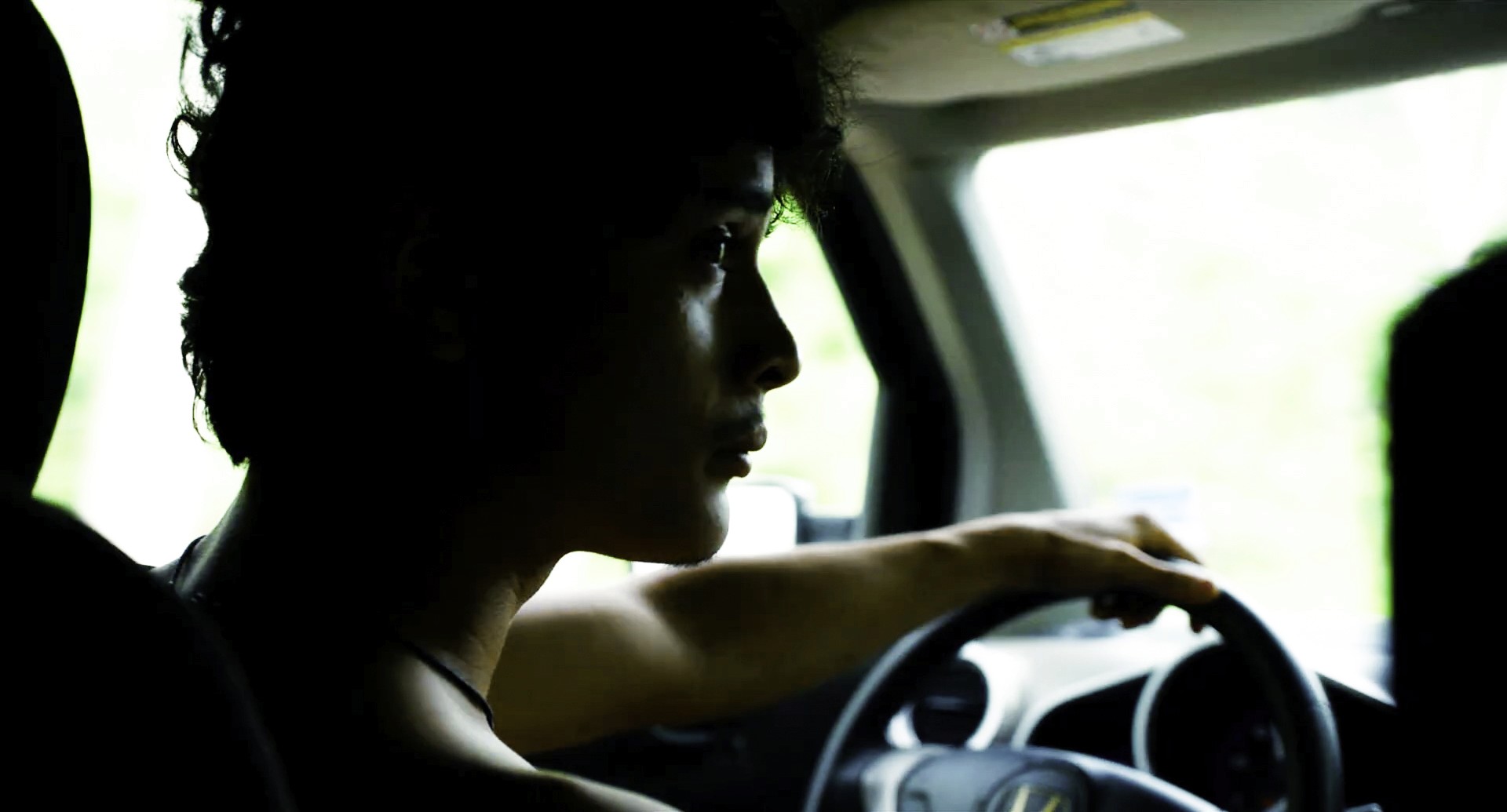
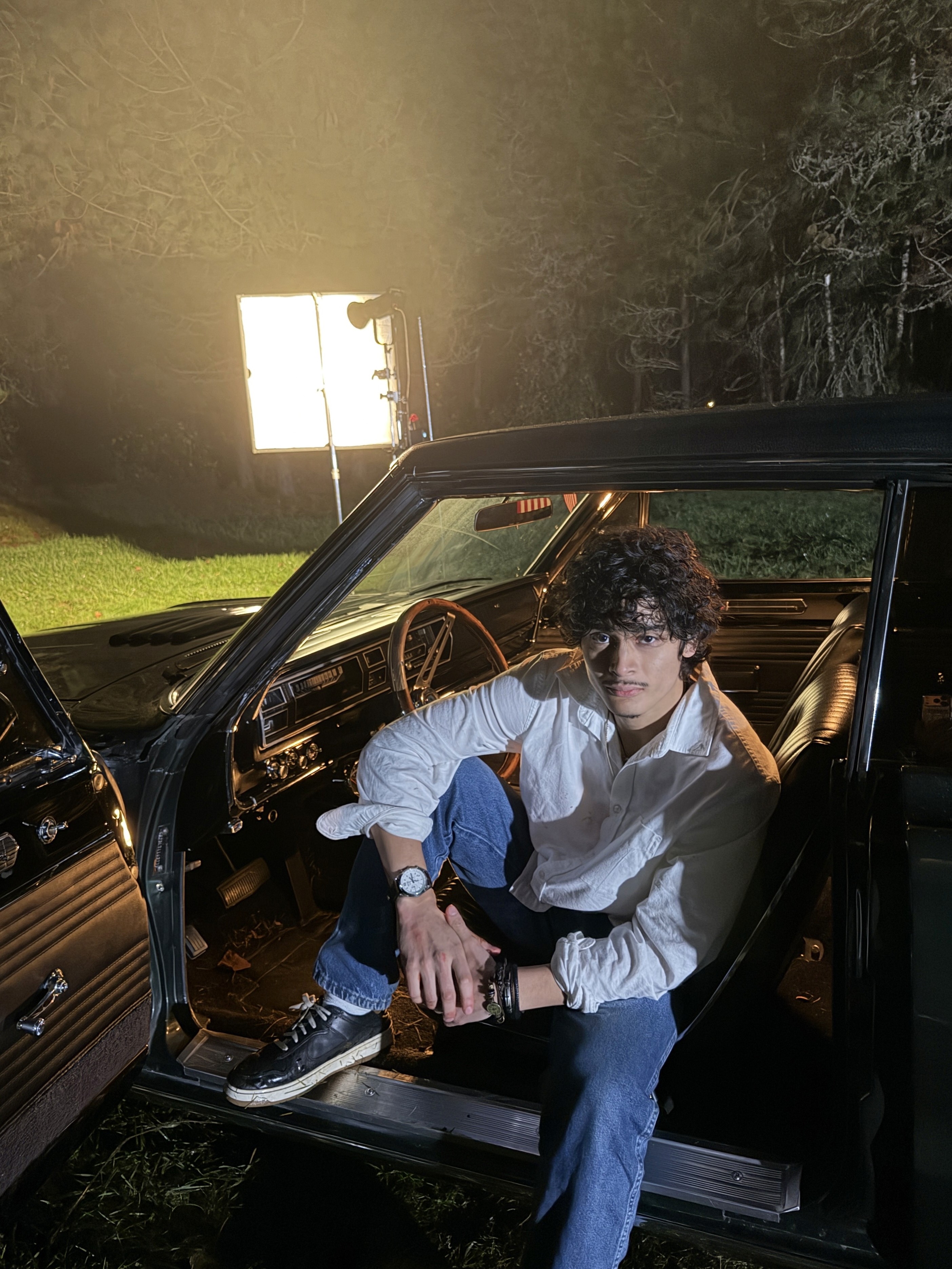
Finding a foundation in theatre honed his love for collaboration and ensemble work. Long rehearsals, listening to timing, and trust in others, all served to reinforce patience and adaptability in Roméro’s work. He learned to meet direction with adjustment and stomp out ego with growth as the stage demanded presence with complete attention to detail. This attention is what served as calibration for the screen as he found honesty and truth to be central to his performance.

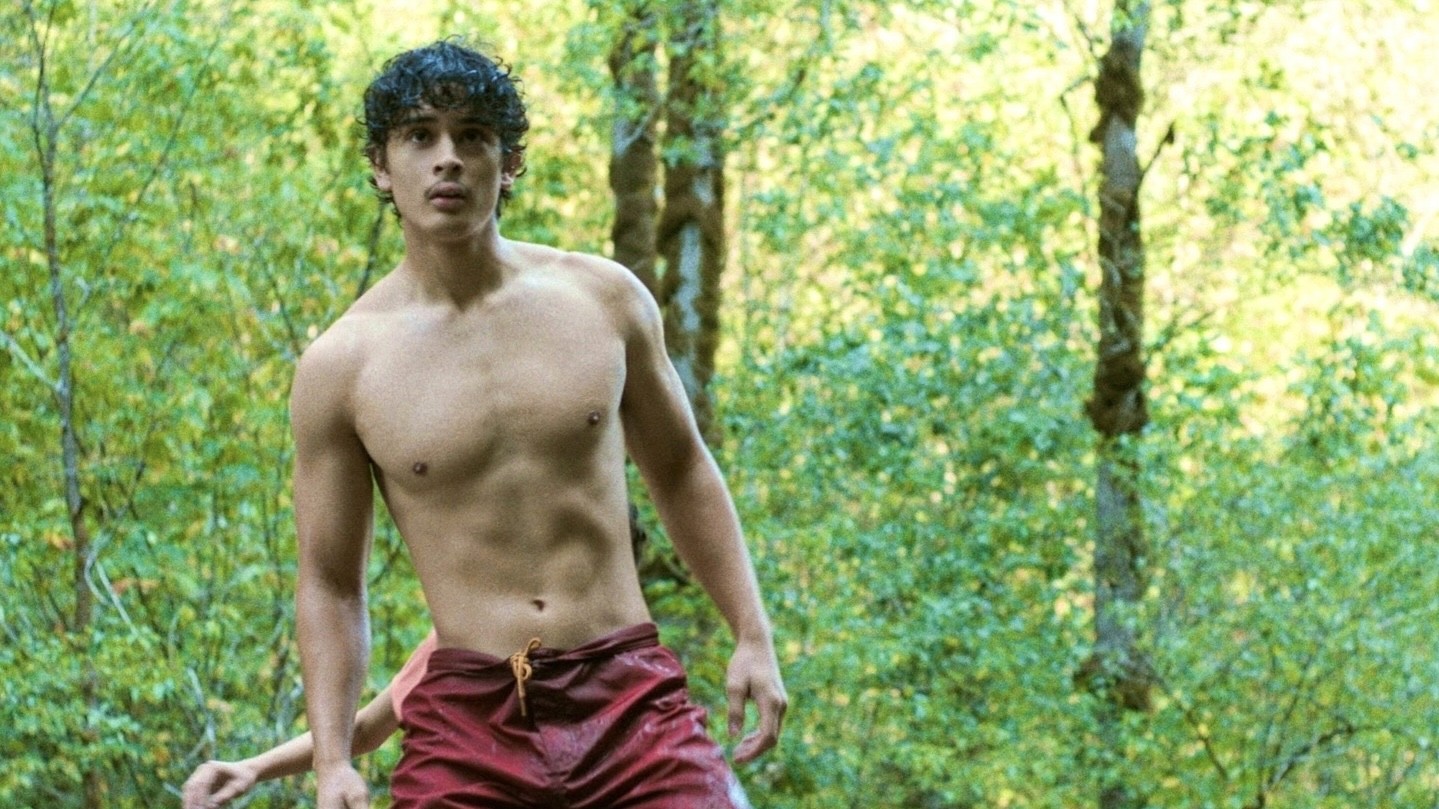
In Roméro’s much anticipated feature film debut, The Starfish (2026) directed by John DiGiacomo, his performance may ultimately stand as an early marker in his career as a leading actor. The performance builds with deliberate pace, rather than reaching for unnecessary intensity. The choice gives Roméro’s character, Rick, best friend to the story’s central character Ray, an unmatched credibility that is calibrated with confidence and comfortability in navigating the boiling emotional complexity layered throughout the story. The result is subtle, grounded and truthful.
In Roméro’s much anticipated feature film debut, The Starfish (2026) directed by John DiGiacomo, his performance may ultimately stand as an early marker in his career as a leading actor. The performance builds with deliberate pace, rather than reaching for unnecessary intensity. The choice gives Roméro’s character, Rick, best friend to the story’s central character Ray, an unmatched credibility that is calibrated with confidence and comfortability in navigating the boiling emotional complexity layered throughout the story. The result is subtle, grounded and truthful.
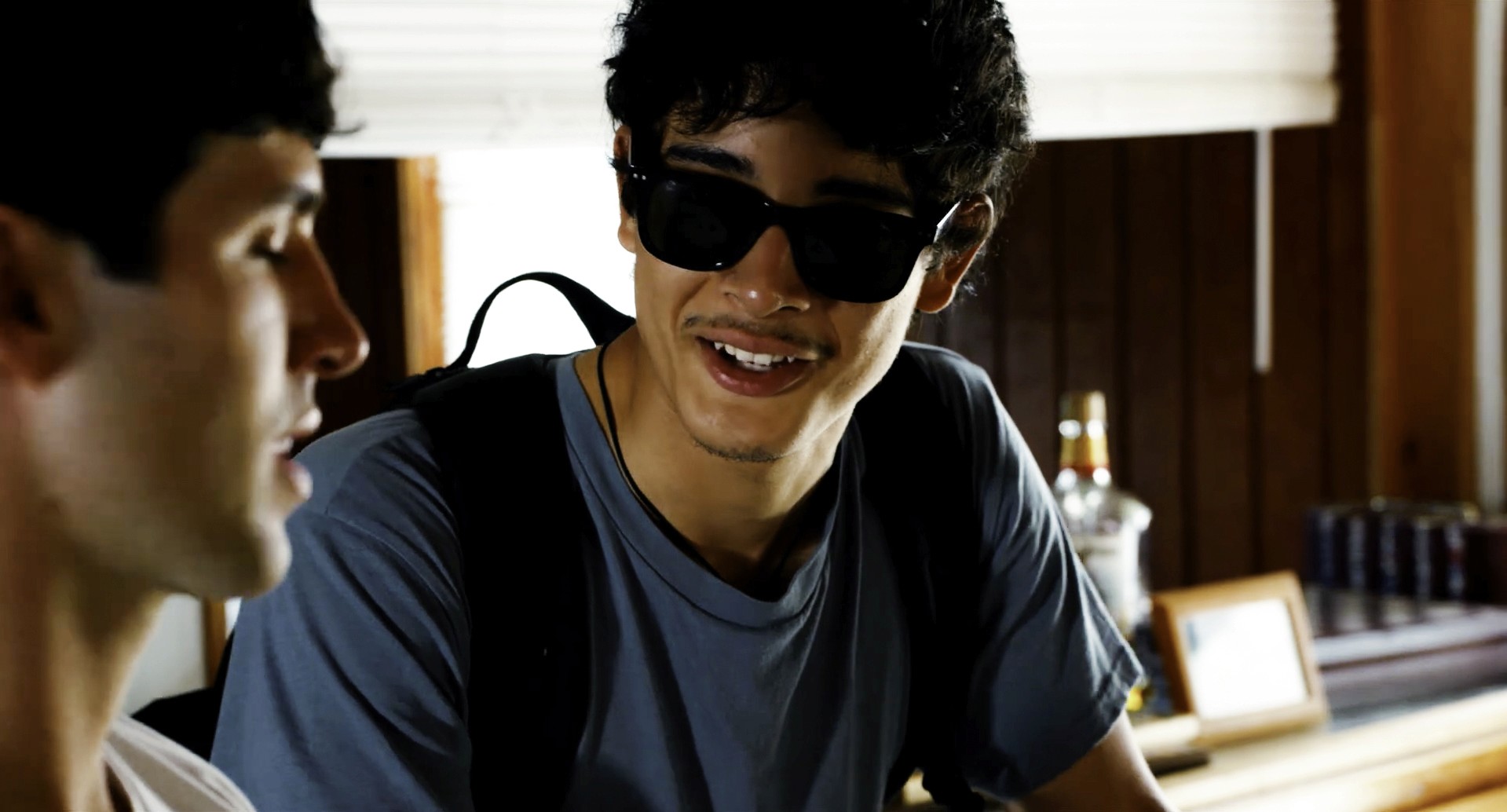
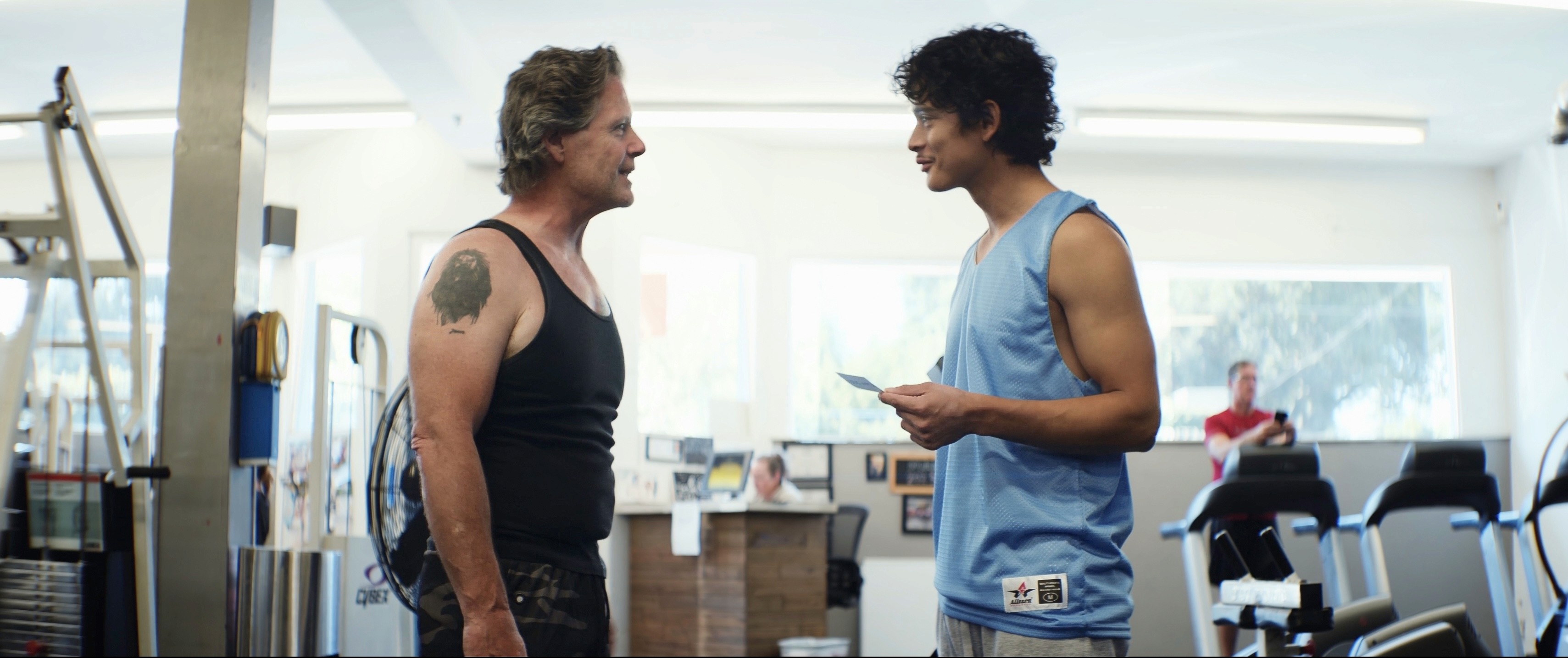
In short films like Jenny M. Ng’s Casualties (2025), Roméro’s performance explored survivor's guilt with restraint. Rather than embrace the drama of relationship, he leans inward allowing internal conflict to subtly bubble to the surface amidst terrifying circumstance. His character, Sean, is that of a young adult who has found peace through shared trauma, and is a glue to the ethos that these characters hold with them throughout. Similarly, in Alexander Tate Kuelling’s Apex (2025) utilizes this same restraint and tension to portray Will, a fractured and timid young man looking to find his way. His work in the film examines masculinity and mentorship through this quiet tension. The result is a lived in presence that feels grounded and authentic throughout. And most complexing, his character, Logan in Dustin Whitaker’s Dark Burdens (2026) showcases this technique, navigating heavy terrain. Roméro’s pressure boils with a clear understanding of the motivations that propel this deeply flawed character, dealing with the dilemmas of his past. By leaning into truth,Roméro separates himself as an instrument of the story he inhabits, pushing himself to explore uncharted territory.
Across projects, a pattern is clear. Discipline is at the root of the process. Roméro has chosen not to chase visibility, but to pursue challenges. He prioritizes material that demands sacrifice rather than work that offers convenience. Each role becomes an extension of this process and in turn serves as another step forward, continuing to climb the mountain.
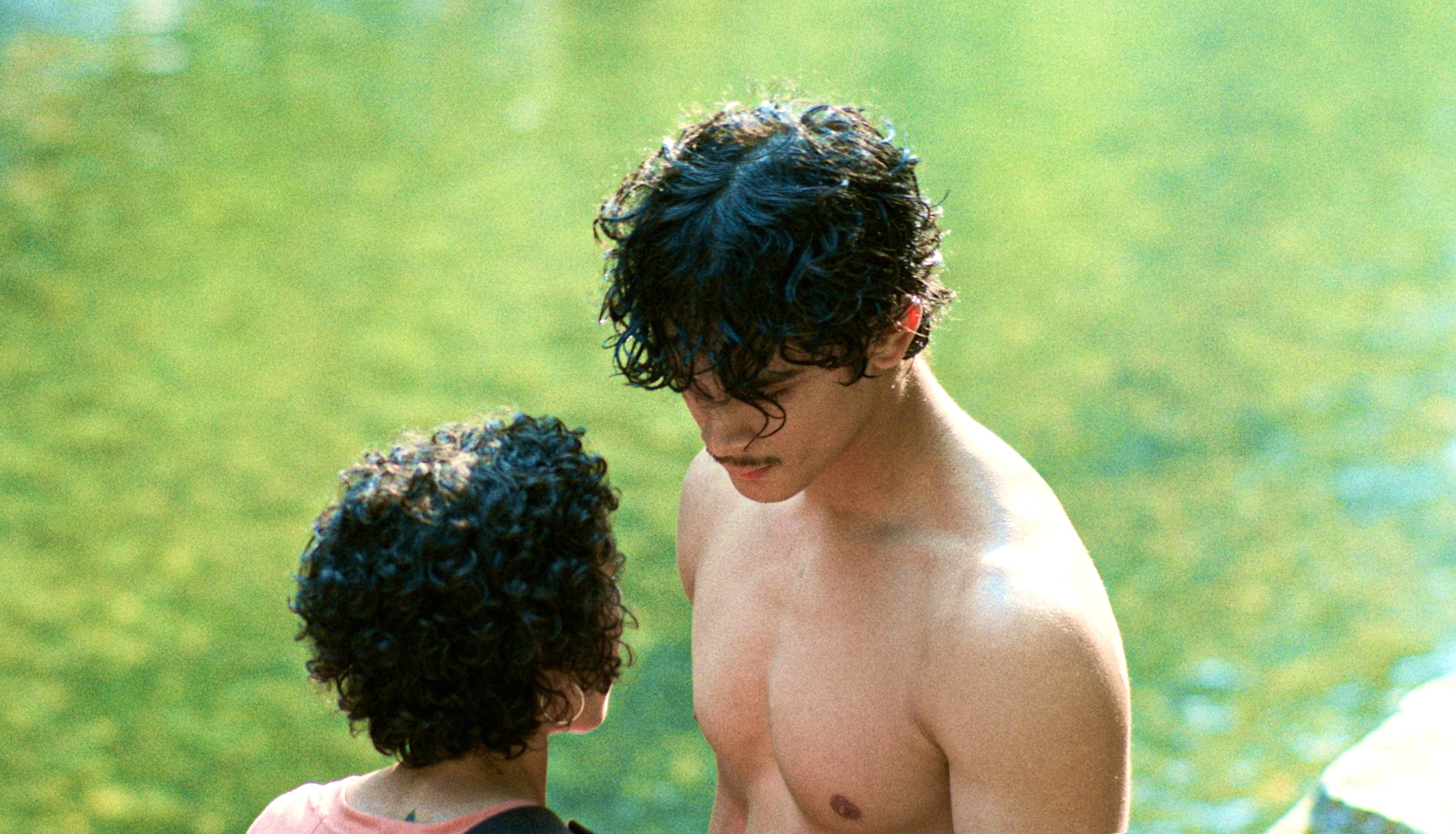
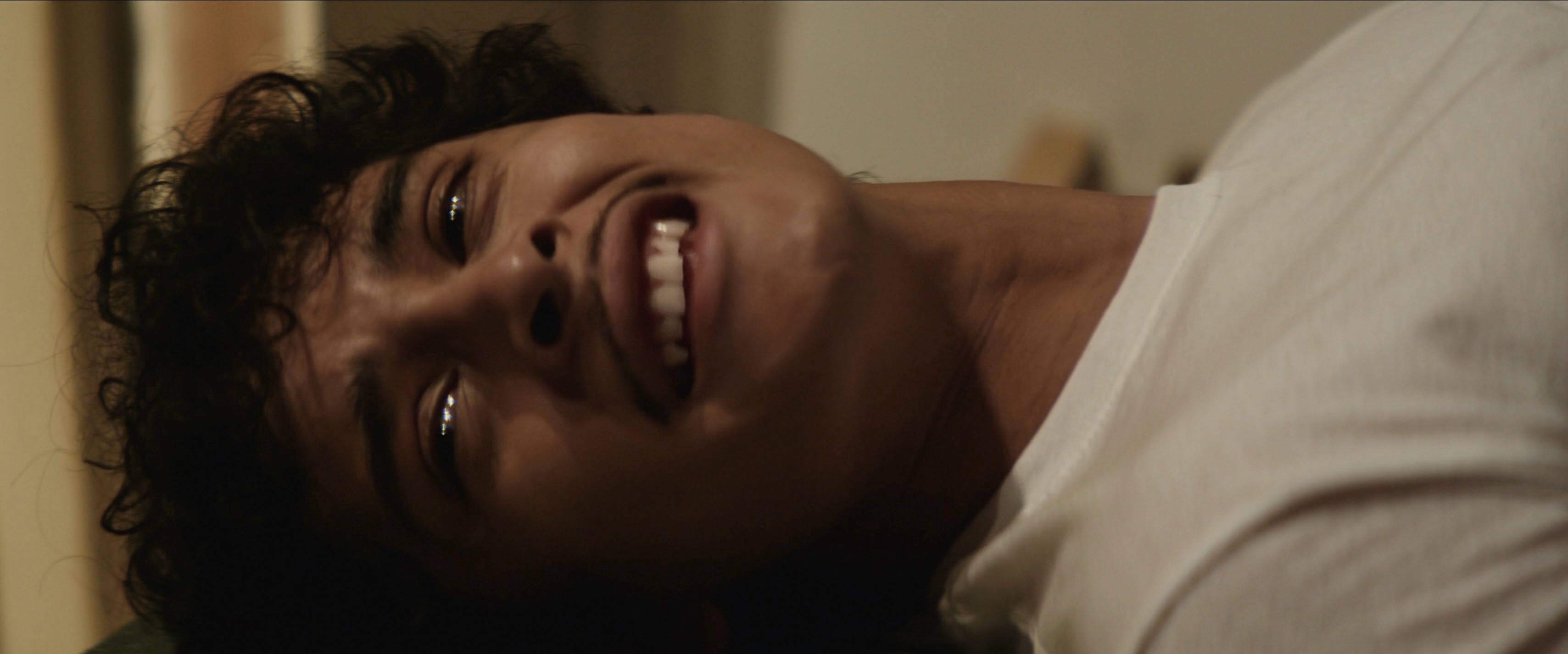
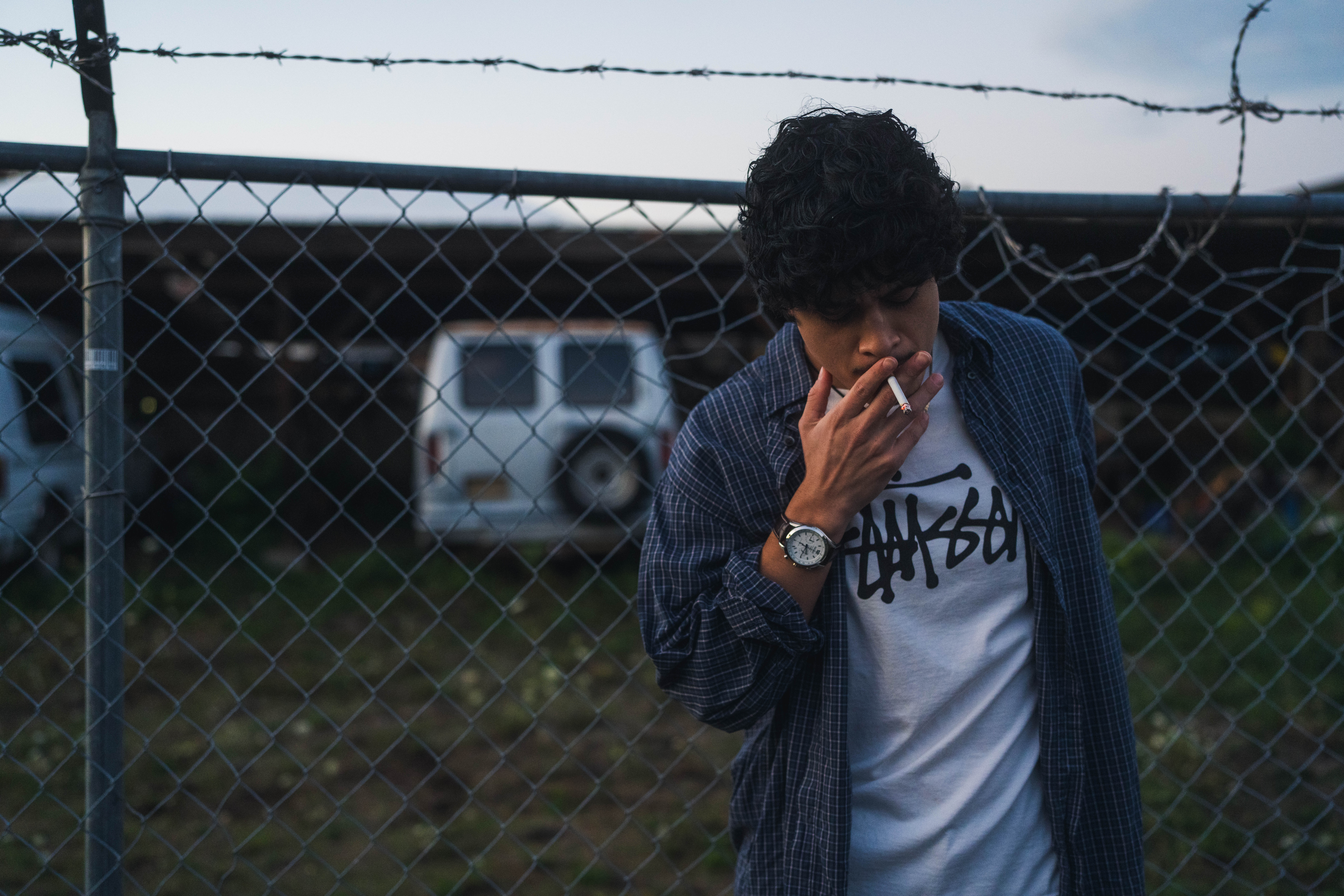
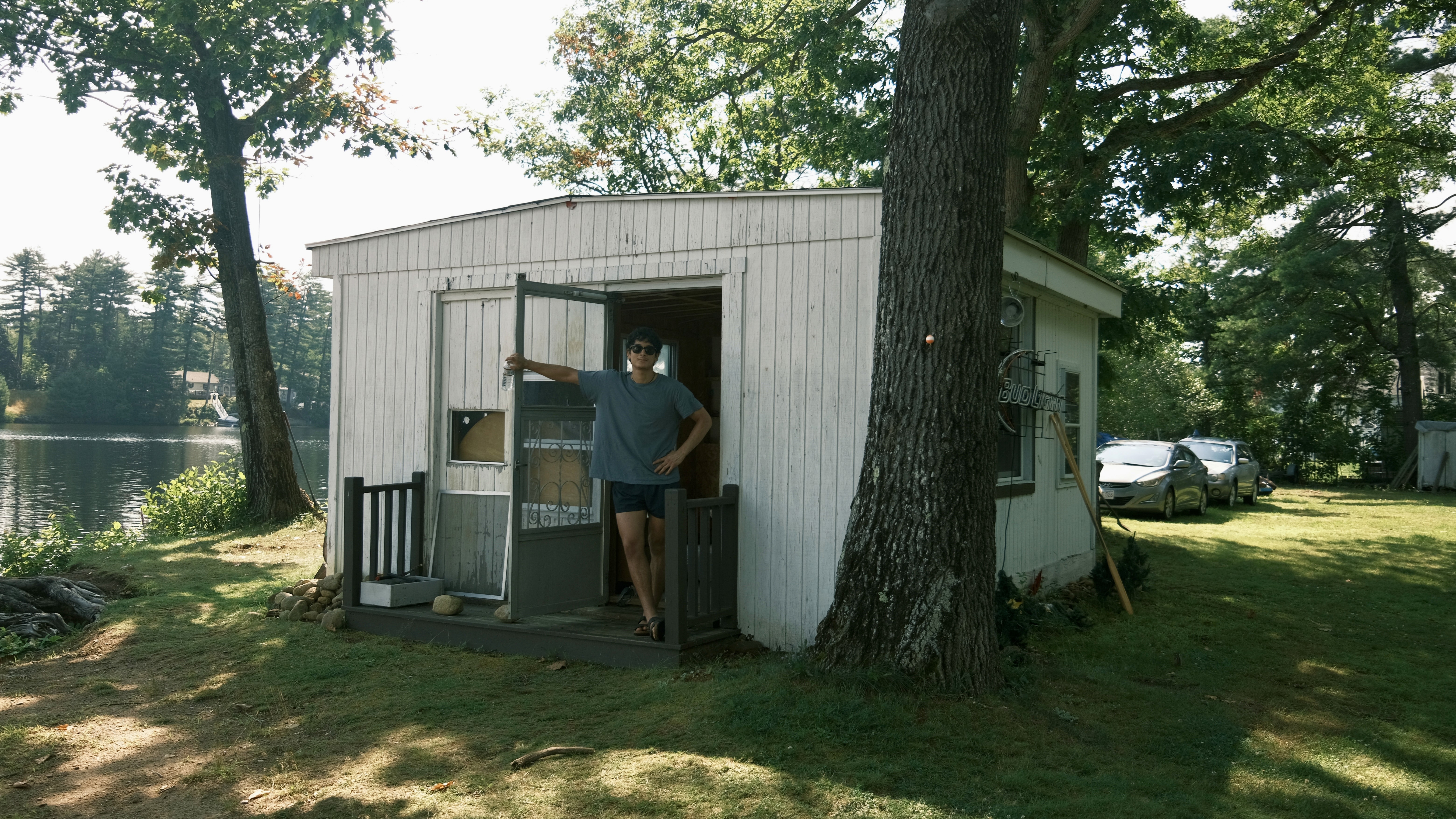
This same process is clear in Roméro’s preparation long before ever stepping on set. He enjoys time in solitude, often outdoors, letting his environment speak not as an escape, but as a focus. The absence of outside noise sharpens his attention to detail and through this, the process can begin. Years of mixed material arts and athletic discipline have contributed to an awareness and control over the body, where many of his characters find their first footings.
This same process is clear in Roméro’s preparation long before ever stepping on set. He enjoys time in solitude, often outdoors, letting his environment speak not as an escape, but as a focus. The absence of outside noise sharpens his attention to detail and through this, the process can begin. Years of mixed material arts and athletic discipline have contributed to an awareness and control over the body, where many of his characters find their first footings.
Roméro looks up to acting greats whose performances shed light on transformation as a craft, not a masquerade. Daniel Day Lewis, Jake Gyllenhaal, Leonardo DiCaprio, Heath Ledger, Benicio Del Toro, James Dean, Javiar Bardem, and Ethan Hawk’s work all approach the craft as a discipline, accepting discomfort in service of growth. They are just a few of the examples who have shaped Roméro’s sense of career architecture. Through this, he has seen that true career longevity requires sacrifice and total commitment beyond passion. The choice to welcome failure as a part of refinement is exactly what great performers are made of.
On set, his reputation follows this same reliability. He arrives early, prepared and patient, building trust with cast and crew alike, focusing on exemplifying respect and professionalism across all departments.
With multiple films slated for release, Roméro’s emergence is not focused on attention, but on continuous improvement. His foundation remains unchanged. Basement rehearsals tight him to work without witnesses, and formal training, to blend instinct and structure, and structure into process. As Roméro positions himself for longevity, patience remains central to this approach. In an industry that often rewards acceleration to the top, Roméro favors the climb. He understands that careers in this industry are not built in moments but through choices, discipline, and the ability to stay present in the work. And for Jesse Michael Roméro, the pursuit has never been visibility. It has always been about the work.

JESSE MICHAEL
ROMÉRO
Jesse Michael Roméro is a Latin American actor from a small town in Washington State whose work reflects a practiced discipline, restraint, and clear commitment to the craft. Trained through classical method and shaped by years of scene study, Roméro approaches each role with absolute precision and methodical patience. He is drawn to character-driven stories that provide the opportunity for challenge and transformation, prioritizing depth over visibility and longevity over shifting trends. His trajectory is consistent not with an actor shooting for the stars, but one embracing the mountain’s treacherous climb with clear intent to reach the summit, one step at a time.
His recent performances includes a lead role in the much anticipated upcoming indie feature film The Starfish (2026) directed by John DiGiacomo, as well as lead roles in indie shorts Dark Burdens (2026) directed by Dustin Whitaker, Casualties (2025) directed by Jenny M. Ng, and Apex (2025) directed by Alexander Tate Kuelling.
Roméro’s introduction to performance didn’t begin in studios or through world-famous conservatories, but in a basement living room. His first scene partners were his three brothers who shifted from directors to audience, from scene partners to critics at any given movement. There were no scripts, no lighting setups, just the raw moments that developed a core. Notes were given as if they mattered, and to Jesse, they did. A handheld camcorder was all Roméro needed to find the spark that would grow into an obsession, not with the lights and glamor, but with the performance as work.
Growing up in Tri Cities, Washington, meant distance from the industry he longed to join. This lack of proximity instilled self-reliance without a clear path forward. Without casting offices down the street or professional stages within reach, what existed was curiosity and repetition. He studied scenes, memorized monologues, listened to and learned from actors whom he drew inspiration from. His focus; constant improvement. And through separation from the Hollywood machine, he honed in his focus on the craft.
As his ambition sharpened into an intent, Roméro sought formal training. Scene study became part of his day to day, and script analysis pushed beyond surface lines. He grew his fascination for structure, objective, and reaction to understand a responsibility to the source material and its intention. Technique grew from an instinct that blended preparation and impulse into the art. Classical method provided an architecture to his drive. Training Stanislavski, Meisner, and Uta Hagen sharpened specificity and promoted a bold acting style that has served as the catalyst for Roméro’s process. He trained for years through productions put on at the Academy of Children’s Theatre and the Chiawana Stage Company, eventually coming to deepen his studies in Theatrical Performing Arts through acting mentor Shea King at Columbia Basin College. After graduating, Roméro trained Dramatic Arts under David Lee - Painter and dove further into Film and Television studies at the University of Idaho. It is also here where Roméro was bridged into International film culture, specifically European film. He went on to be selected for an Cinematic Story Telling Program through Charles University in Prague, Czech Republic. It is here where his exposure to European film culture broadened his understanding for choice. He observed how minimalism in character driven storytelling could carry such gravity and intensity, a perspective that would soon recalibrate his senses to be translated over onto screen. Following his studies abroad, Roméro would opt to not return to the University of Idaho, furthering his studies at the University of Oregon School of Theatre Arts, University of Oregon School of Cinema Studies, and the University of Oregon school of Journalism and Communication where he pursued Bachelors of Arts in Entertainment Advertising and Cinema Studies with Minors in Sports Business and Theatre Arts. It is here where Roméro spent the next 2 and a half years of his life, his hunger, patiently growing with each passing day, knowing his time would soon come.
Finding a foundation in theatre honed his love for collaboration and ensemble work. Long rehearsals, listening to timing, and trust in others, all served to reinforce patience and adaptability in Roméro’s work. He learned to meet direction with adjustment and stomp out ego with growth as the stage demanded presence with complete attention to detail. This attention is what served as calibration for the screen as he found honesty and truth to be central to his performance.
In Roméro’s much anticipated feature film debut, The Starfish (2026) directed by John DiGiacomo, his performance may ultimately stand as an early marker in his career as a leading actor. The performance builds with deliberate pace, rather than reaching for unnecessary intensity. The choice gives Roméro’s character, Rick, best friend to the story’s central character Ray, an unmatched credibility that is calibrated with confidence and comfortability in navigating the boiling emotional complexity layered throughout the story. The result is subtle, grounded and truthful.
In short films like Jenny M. Ng’s Casualties (2025), Roméro’s performance explored survivor's guilt with restraint. Rather than embrace the drama of relationship, he leans inward allowing internal conflict to subtly bubble to the surface amidst terrifying circumstance. His character, Sean, is that of a young adult who has found peace through shared trauma, and is a glue to the ethos that these characters hold with them throughout. Similarly, in Alexander Tate Kuelling’s Apex (2025) utilizes this same restraint and tension to portray Will, a fractured and timid young man looking to find his way. His work in the film examines masculinity and mentorship through this quiet tension. The result is a lived in presence that feels grounded and authentic throughout. And most complexing, his character, Logan in Dustin Whitaker’s Dark Burdens (2026) showcases this technique, navigating heavy terrain. Roméro’s pressure boils with a clear understanding of the motivations that propel this deeply flawed character, dealing with the dilemmas of his past. By leaning into truth,Roméro separates himself as an instrument of the story he inhabits, pushing himself to explore uncharted territory.
Across projects, a pattern is clear. Discipline is at the root of the process. Roméro has chosen not to chase visibility, but to pursue challenges. He prioritizes material that demands sacrifice rather than work that offers convenience. Each role becomes an extension of this process and in turn serves as another step forward, continuing to climb the mountain.
This same process is clear in Roméro’s preparation long before ever stepping on set. He enjoys time in solitude, often outdoors, letting his environment speak not as an escape, but as a focus. The absence of outside noise sharpens his attention to detail and through this, the process can begin. Years of mixed material arts and athletic discipline have contributed to an awareness and control over the body, where many of his characters find their first footings.
This same process is clear in Roméro’s preparation long before ever stepping on set. He enjoys time in solitude, often outdoors, letting his environment speak not as an escape, but as a focus. The absence of outside noise sharpens his attention to detail and through this, the process can begin. Years of mixed material arts and athletic discipline have contributed to an awareness and control over the body, where many of his characters find their first footings.
Roméro looks up to acting greats whose performances shed light on transformation as a craft, not a masquerade. Daniel Day Lewis, Jake Gyllenhaal, Leonardo DiCaprio, Heath Ledger, Benicio Del Toro, James Dean, Javiar Bardem, and Ethan Hawk’s work all approach the craft as a discipline, accepting discomfort in service of growth. They are just a few of the examples who have shaped Roméro’s sense of career architecture. Through this, he has seen that true career longevity requires sacrifice and total commitment beyond passion. The choice to welcome failure as a part of refinement is exactly what great performers are made of.
With multiple films slated for release, Roméro’s emergence is not focused on attention, but on continuous improvement. His foundation remains unchanged. Basement rehearsals tight him to work without witnesses, and formal training, to blend instinct and structure, and structure into process. As Roméro positions himself for longevity, patience remains central to this approach. In an industry that often rewards acceleration to the top, Roméro favors the climb. He understands that careers in this industry are not built in moments but through choices, discipline, and the ability to stay present in the work. And for Jesse Michael Roméro, the pursuit has never been visibility. It has always been about the work.
On set, his reputation follows this same reliability. He arrives early, prepared and patient, building trust with cast and crew alike, focusing on exemplifying respect and professionalism across all departments.
JESSE MICHAEL
ROMÉRO
Jesse Michael Roméro is a Latin American actor from a small town in Washington State whose work reflects a practiced discipline, restraint, and clear commitment to the craft. Trained through classical method and shaped by years of scene study, Roméro approaches each role with absolute precision and methodical patience. He is drawn to character-driven stories that provide the opportunity for challenge and transformation, prioritizing depth over visibility and longevity over shifting trends. His trajectory is consistent not with an actor shooting for the stars, but one embracing the mountain’s treacherous climb with clear intent to reach the summit, one step at a time.
His recent performances includes a lead role in the much anticipated upcoming indie feature film The Starfish (2026) directed by John DiGiacomo, as well as lead roles in indie shorts Dark Burdens (2026) directed by Dustin Whitaker, Casualties (2025) directed by Jenny M. Ng, and Apex (2025) directed by Alexander Tate Kuelling.
Roméro’s introduction to performance didn’t begin in studios or through world-famous conservatories, but in a basement living room. His first scene partners were his three brothers who shifted from directors to audience, from scene partners to critics at any given movement. There were no scripts, no lighting setups, just the raw moments that developed a core. Notes were given as if they mattered, and to Jesse, they did. A handheld camcorder was all Roméro needed to find the spark that would grow into an obsession, not with the lights and glamor, but with the performance as work.
Growing up in Tri Cities, Washington, meant distance from the industry he longed to join. This lack of proximity instilled self-reliance without a clear path forward. Without casting offices down the street or professional stages within reach, what existed was curiosity and repetition. He studied scenes, memorized monologues, listened to and learned from actors whom he drew inspiration from. His focus; constant improvement. And through separation from the Hollywood machine, he honed in his focus on the craft.
As his ambition sharpened into an intent, Roméro sought formal training. Scene study became part of his day to day, and script analysis pushed beyond surface lines. He grew his fascination for structure, objective, and reaction to understand a responsibility to the source material and its intention. Technique grew from an instinct that blended preparation and impulse into the art. Classical method provided an architecture to his drive. Training Stanislavski, Meisner, and Uta Hagen sharpened specificity and promoted a bold acting style that has served as the catalyst for Roméro’s process. He trained for years through productions put on at the Academy of Children’s Theatre and the Chiawana Stage Company, eventually coming to deepen his studies in Theatrical Performing Arts through acting mentor Shea King at Columbia Basin College. After graduating, Roméro trained Dramatic Arts under David Lee - Painter and dove further into Film and Television studies at the University of Idaho. It is also here where Roméro was bridged into International film culture, specifically European film. He went on to be selected for an Cinematic Story Telling Program through Charles University in Prague, Czech Republic. It is here where his exposure to European film culture broadened his understanding for choice. He observed how minimalism in character driven storytelling could carry such gravity and intensity, a perspective that would soon recalibrate his senses to be translated over onto screen. Following his studies abroad, Roméro would opt to not return to the University of Idaho, furthering his studies at the University of Oregon School of Theatre Arts, University of Oregon School of Cinema Studies, and the University of Oregon school of Journalism and Communication where he pursued Bachelors of Arts in Entertainment Advertising and Cinema Studies with Minors in Sports Business and Theatre Arts. It is here where Roméro spent the next 2 and a half years of his life, his hunger, patiently growing with each passing day, knowing his time would soon come.
Finding a foundation in theatre honed his love for collaboration and ensemble work. Long rehearsals, listening to timing, and trust in others, all served to reinforce patience and adaptability in Roméro’s work. He learned to meet direction with adjustment and stomp out ego with growth as the stage demanded presence with complete attention to detail. This attention is what served as calibration for the screen as he found honesty and truth to be central to his performance.
In Roméro’s much anticipated feature film debut, The Starfish (2026) directed by John DiGiacomo, his performance may ultimately stand as an early marker in his career as a leading actor. The performance builds with deliberate pace, rather than reaching for unnecessary intensity. The choice gives Roméro’s character, Rick, best friend to the story’s central character Ray, an unmatched credibility that is calibrated with confidence and comfortability in navigating the boiling emotional complexity layered throughout the story. The result is subtle, grounded and truthful.
In short films like Jenny M. Ng’s Casualties (2025), Roméro’s performance explored survivor's guilt with restraint. Rather than embrace the drama of relationship, he leans inward allowing internal conflict to subtly bubble to the surface amidst terrifying circumstance. His character, Sean, is that of a young adult who has found peace through shared trauma, and is a glue to the ethos that these characters hold with them throughout. Similarly, in Alexander Tate Kuelling’s Apex (2025) utilizes this same restraint and tension to portray Will, a fractured and timid young man looking to find his way. His work in the film examines masculinity and mentorship through this quiet tension. The result is a lived in presence that feels grounded and authentic throughout. And most complexing, his character, Logan in Dustin Whitaker’s Dark Burdens (2026) showcases this technique, navigating heavy terrain. Roméro’s pressure boils with a clear understanding of the motivations that propel this deeply flawed character, dealing with the dilemmas of his past. By leaning into truth,Roméro separates himself as an instrument of the story he inhabits, pushing himself to explore uncharted territory.
Across projects, a pattern is clear. Discipline is at the root of the process. Roméro has chosen not to chase visibility, but to pursue challenges. He prioritizes material that demands sacrifice rather than work that offers convenience. Each role becomes an extension of this process and in turn serves as another step forward, continuing to climb the mountain.
This same process is clear in Roméro’s preparation long before ever stepping on set. He enjoys time in solitude, often outdoors, letting his environment speak not as an escape, but as a focus. The absence of outside noise sharpens his attention to detail and through this, the process can begin. Years of mixed material arts and athletic discipline have contributed to an awareness and control over the body, where many of his characters find their first footings.
This same process is clear in Roméro’s preparation long before ever stepping on set. He enjoys time in solitude, often outdoors, letting his environment speak not as an escape, but as a focus. The absence of outside noise sharpens his attention to detail and through this, the process can begin. Years of mixed material arts and athletic discipline have contributed to an awareness and control over the body, where many of his characters find their first footings.
Roméro looks up to acting greats whose performances shed light on transformation as a craft, not a masquerade. Daniel Day Lewis, Jake Gyllenhaal, Leonardo DiCaprio, Heath Ledger, Benicio Del Toro, James Dean, Javiar Bardem, and Ethan Hawk’s work all approach the craft as a discipline, accepting discomfort in service of growth. They are just a few of the examples who have shaped Roméro’s sense of career architecture. Through this, he has seen that true career longevity requires sacrifice and total commitment beyond passion. The choice to welcome failure as a part of refinement is exactly what great performers are made of.
On set, his reputation follows this same reliability. He arrives early, prepared and patient, building trust with cast and crew alike, focusing on exemplifying respect and professionalism across all departments.
With multiple films slated for release, Roméro’s emergence is not focused on attention, but on continuous improvement. His foundation remains unchanged. Basement rehearsals tight him to work without witnesses, and formal training, to blend instinct and structure, and structure into process. As Roméro positions himself for longevity, patience remains central to this approach. In an industry that often rewards acceleration to the top, Roméro favors the climb. He understands that careers in this industry are not built in moments but through choices, discipline, and the ability to stay present in the work. And for Jesse Michael Roméro, the pursuit has never been visibility. It has always been about the work.
ROMÉRO
JESSE MICHAEL
Jesse Michael Roméro is a Latin American actor from a small town in Washington State whose work reflects a practiced discipline, restraint, and clear commitment to the craft. Trained through classical method and shaped by years of scene study, Roméro approaches each role with absolute precision and methodical patience. He is drawn to character-driven stories that provide the opportunity for challenge and transformation, prioritizing depth over visibility and longevity over shifting trends. His trajectory is consistent not with an actor shooting for the stars, but one embracing the mountain’s treacherous climb with clear intent to reach the summit, one step at a time.
His recent performances includes a lead role in the much anticipated upcoming indie feature film The Starfish (2026) directed by John DiGiacomo, as well as lead roles in indie shorts Dark Burdens (2026) directed by Dustin Whitaker, Casualties (2025) directed by Jenny M. Ng, and Apex (2025) directed by Alexander Tate Kuelling.
Roméro’s introduction to performance didn’t begin in studios or through world-famous conservatories, but in a basement living room. His first scene partners were his three brothers who shifted from directors to audience, from scene partners to critics at any given movement. There were no scripts, no lighting setups, just the raw moments that developed a core. Notes were given as if they mattered, and to Jesse, they did. A handheld camcorder was all Roméro needed to find the spark that would grow into an obsession, not with the lights and glamor, but with the performance as work.
Growing up in Tri Cities, Washington, meant distance from the industry he longed to join. This lack of proximity instilled self-reliance without a clear path forward. Without casting offices down the street or professional stages within reach, what existed was curiosity and repetition. He studied scenes, memorized monologues, listened to and learned from actors whom he drew inspiration from. His focus; constant improvement. And through separation from the Hollywood machine, he honed in his focus on the craft.
As his ambition sharpened into an intent, Roméro sought formal training. Scene study became part of his day to day, and script analysis pushed beyond surface lines. He grew his fascination for structure, objective, and reaction to understand a responsibility to the source material and its intention. Technique grew from an instinct that blended preparation and impulse into the art. Classical method provided an architecture to his drive. Training Stanislavski, Meisner, and Uta Hagen sharpened specificity and promoted a bold acting style that has served as the catalyst for Roméro’s process. He trained for years through productions put on at the Academy of Children’s Theatre and the Chiawana Stage Company, eventually coming to deepen his studies in Theatrical Performing Arts through acting mentor Shea King at Columbia Basin College. After graduating, Roméro trained Dramatic Arts under David Lee - Painter and dove further into Film and Television studies at the University of Idaho. It is also here where Roméro was bridged into International film culture, specifically European film. He went on to be selected for an Cinematic Story Telling Program through Charles University in Prague, Czech Republic. It is here where his exposure to European film culture broadened his understanding for choice. He observed how minimalism in character driven storytelling could carry such gravity and intensity, a perspective that would soon recalibrate his senses to be translated over onto screen. Following his studies abroad, Roméro would opt to not return to the University of Idaho, furthering his studies at the University of Oregon School of Theatre Arts, University of Oregon School of Cinema Studies, and the University of Oregon school of Journalism and Communication where he pursued Bachelors of Arts in Entertainment Advertising and Cinema Studies with Minors in Sports Business and Theatre Arts. It is here where Roméro spent the next 2 and a half years of his life, his hunger, patiently growing with each passing day, knowing his time would soon come.
Finding a foundation in theatre honed his love for collaboration and ensemble work. Long rehearsals, listening to timing, and trust in others, all served to reinforce patience and adaptability in Roméro’s work. He learned to meet direction with adjustment and stomp out ego with growth as the stage demanded presence with complete attention to detail. This attention is what served as calibration for the screen as he found honesty and truth to be central to his performance.
In Roméro’s much anticipated feature film debut, The Starfish (2026) directed by John DiGiacomo, his performance may ultimately stand as an early marker in his career as a leading actor. The performance builds with deliberate pace, rather than reaching for unnecessary intensity. The choice gives Roméro’s character, Rick, best friend to the story’s central character Ray, an unmatched credibility that is calibrated with confidence and comfortability in navigating the boiling emotional complexity layered throughout the story. The result is subtle, grounded and truthful.
In short films like Jenny M. Ng’s Casualties (2025), Roméro’s performance explored survivor's guilt with restraint. Rather than embrace the drama of relationship, he leans inward allowing internal conflict to subtly bubble to the surface amidst terrifying circumstance. His character, Sean, is that of a young adult who has found peace through shared trauma, and is a glue to the ethos that these characters hold with them throughout. Similarly, in Alexander Tate Kuelling’s Apex (2025) utilizes this same restraint and tension to portray Will, a fractured and timid young man looking to find his way. His work in the film examines masculinity and mentorship through this quiet tension. The result is a lived in presence that feels grounded and authentic throughout. And most complexing, his character, Logan in Dustin Whitaker’s Dark Burdens (2026) showcases this technique, navigating heavy terrain. Roméro’s pressure boils with a clear understanding of the motivations that propel this deeply flawed character, dealing with the dilemmas of his past. By leaning into truth,Roméro separates himself as an instrument of the story he inhabits, pushing himself to explore uncharted territory.
Across projects, a pattern is clear. Discipline is at the root of the process. Roméro has chosen not to chase visibility, but to pursue challenges. He prioritizes material that demands sacrifice rather than work that offers convenience. Each role becomes an extension of this process and in turn serves as another step forward, continuing to climb the mountain.
This same process is clear in Roméro’s preparation long before ever stepping on set. He enjoys time in solitude, often outdoors, letting his environment speak not as an escape, but as a focus. The absence of outside noise sharpens his attention to detail and through this, the process can begin. Years of mixed material arts and athletic discipline have contributed to an awareness and control over the body, where many of his characters find their first footings.
This same process is clear in Roméro’s preparation long before ever stepping on set. He enjoys time in solitude, often outdoors, letting his environment speak not as an escape, but as a focus. The absence of outside noise sharpens his attention to detail and through this, the process can begin. Years of mixed material arts and athletic discipline have contributed to an awareness and control over the body, where many of his characters find their first footings.
Roméro looks up to acting greats whose performances shed light on transformation as a craft, not a masquerade. Daniel Day Lewis, Jake Gyllenhaal, Leonardo DiCaprio, Heath Ledger, Benicio Del Toro, James Dean, Javiar Bardem, and Ethan Hawk’s work all approach the craft as a discipline, accepting discomfort in service of growth. They are just a few of the examples who have shaped Roméro’s sense of career architecture. Through this, he has seen that true career longevity requires sacrifice and total commitment beyond passion. The choice to welcome failure as a part of refinement is exactly what great performers are made of.
On set, his reputation follows this same reliability. He arrives early, prepared and patient, building trust with cast and crew alike, focusing on exemplifying respect and professionalism across all departments.
With multiple films slated for release, Roméro’s emergence is not focused on attention, but on continuous improvement. His foundation remains unchanged. Basement rehearsals tight him to work without witnesses, and formal training, to blend instinct and structure, and structure into process. As Roméro positions himself for longevity, patience remains central to this approach. In an industry that often rewards acceleration to the top, Roméro favors the climb. He understands that careers in this industry are not built in moments but through choices, discipline, and the ability to stay present in the work. And for Jesse Michael Roméro, the pursuit has never been visibility. It has always been about the work.
JESSE MICHAEL
ROMÉRO
Jesse Michael Roméro is a Latin American actor from a small town in Washington State whose work reflects a practiced discipline, restraint, and clear commitment to the craft. Trained through classical method and shaped by years of scene study, Roméro approaches each role with absolute precision and methodical patience. He is drawn to character-driven stories that provide the opportunity for challenge and transformation, prioritizing depth over visibility and longevity over shifting trends. His trajectory is consistent not with an actor shooting for the stars, but one embracing the mountain’s treacherous climb with clear intent to reach the summit, one step at a time.
His recent performances includes a lead role in the much anticipated upcoming indie feature film The Starfish (2026) directed by John DiGiacomo, as well as lead roles in indie shorts Dark Burdens (2026) directed by Dustin Whitaker, Casualties (2025) directed by Jenny M. Ng, and Apex (2025) directed by Alexander Tate Kuelling.
Roméro’s introduction to performance didn’t begin in studios or through world-famous conservatories, but in a basement living room. His first scene partners were his three brothers who shifted from directors to audience, from scene partners to critics at any given movement. There were no scripts, no lighting setups, just the raw moments that developed a core. Notes were given as if they mattered, and to Jesse, they did. A handheld camcorder was all Roméro needed to find the spark that would grow into an obsession, not with the lights and glamor, but with the performance as work.
Growing up in Tri Cities, Washington, meant distance from the industry he longed to join. This lack of proximity instilled self-reliance without a clear path forward. Without casting offices down the street or professional stages within reach, what existed was curiosity and repetition. He studied scenes, memorized monologues, listened to and learned from actors whom he drew inspiration from. His focus; constant improvement. And through separation from the Hollywood machine, he honed in his focus on the craft.
As his ambition sharpened into an intent, Roméro sought formal training. Scene study became part of his day to day, and script analysis pushed beyond surface lines. He grew his fascination for structure, objective, and reaction to understand a responsibility to the source material and its intention. Technique grew from an instinct that blended preparation and impulse into the art. Classical method provided an architecture to his drive. Training Stanislavski, Meisner, and Uta Hagen sharpened specificity and promoted a bold acting style that has served as the catalyst for Roméro’s process. He trained for years through productions put on at the Academy of Children’s Theatre and the Chiawana Stage Company, eventually coming to deepen his studies in Theatrical Performing Arts through acting mentor Shea King at Columbia Basin College. After graduating, Roméro trained Dramatic Arts under David Lee - Painter and dove further into Film and Television studies at the University of Idaho. It is also here where Roméro was bridged into International film culture, specifically European film. He went on to be selected for an Cinematic Story Telling Program through Charles University in Prague, Czech Republic. It is here where his exposure to European film culture broadened his understanding for choice. He observed how minimalism in character driven storytelling could carry such gravity and intensity, a perspective that would soon recalibrate his senses to be translated over onto screen. Following his studies abroad, Roméro would opt to not return to the University of Idaho, furthering his studies at the University of Oregon School of Theatre Arts, University of Oregon School of Cinema Studies, and the University of Oregon school of Journalism and Communication where he pursued Bachelors of Arts in Entertainment Advertising and Cinema Studies with Minors in Sports Business and Theatre Arts. It is here where Roméro spent the next 2 and a half years of his life, his hunger, patiently growing with each passing day, knowing his time would soon come.
Finding a foundation in theatre honed his love for collaboration and ensemble work. Long rehearsals, listening to timing, and trust in others, all served to reinforce patience and adaptability in Roméro’s work. He learned to meet direction with adjustment and stomp out ego with growth as the stage demanded presence with complete attention to detail. This attention is what served as calibration for the screen as he found honesty and truth to be central to his performance.
In Roméro’s much anticipated feature film debut, The Starfish (2026) directed by John DiGiacomo, his performance may ultimately stand as an early marker in his career as a leading actor. The performance builds with deliberate pace, rather than reaching for unnecessary intensity. The choice gives Roméro’s character, Rick, best friend to the story’s central character Ray, an unmatched credibility that is calibrated with confidence and comfortability in navigating the boiling emotional complexity layered throughout the story. The result is subtle, grounded and truthful.
In short films like Jenny M. Ng’s Casualties (2025), Roméro’s performance explored survivor's guilt with restraint. Rather than embrace the drama of relationship, he leans inward allowing internal conflict to subtly bubble to the surface amidst terrifying circumstance. His character, Sean, is that of a young adult who has found peace through shared trauma, and is a glue to the ethos that these characters hold with them throughout. Similarly, in Alexander Tate Kuelling’s Apex (2025) utilizes this same restraint and tension to portray Will, a fractured and timid young man looking to find his way. His work in the film examines masculinity and mentorship through this quiet tension. The result is a lived in presence that feels grounded and authentic throughout. And most complexing, his character, Logan in Dustin Whitaker’s Dark Burdens (2026) showcases this technique, navigating heavy terrain. Roméro’s pressure boils with a clear understanding of the motivations that propel this deeply flawed character, dealing with the dilemmas of his past. By leaning into truth,Roméro separates himself as an instrument of the story he inhabits, pushing himself to explore uncharted territory.
Across projects, a pattern is clear. Discipline is at the root of the process. Roméro has chosen not to chase visibility, but to pursue challenges. He prioritizes material that demands sacrifice rather than work that offers convenience. Each role becomes an extension of this process and in turn serves as another step forward, continuing to climb the mountain.
This same process is clear in Roméro’s preparation long before ever stepping on set. He enjoys time in solitude, often outdoors, letting his environment speak not as an escape, but as a focus. The absence of outside noise sharpens his attention to detail and through this, the process can begin. Years of mixed material arts and athletic discipline have contributed to an awareness and control over the body, where many of his characters find their first footings.
This same process is clear in Roméro’s preparation long before ever stepping on set. He enjoys time in solitude, often outdoors, letting his environment speak not as an escape, but as a focus. The absence of outside noise sharpens his attention to detail and through this, the process can begin. Years of mixed material arts and athletic discipline have contributed to an awareness and control over the body, where many of his characters find their first footings.
Roméro looks up to acting greats whose performances shed light on transformation as a craft, not a masquerade. Daniel Day Lewis, Jake Gyllenhaal, Leonardo DiCaprio, Heath Ledger, Benicio Del Toro, James Dean, Javiar Bardem, and Ethan Hawk’s work all approach the craft as a discipline, accepting discomfort in service of growth. They are just a few of the examples who have shaped Roméro’s sense of career architecture. Through this, he has seen that true career longevity requires sacrifice and total commitment beyond passion. The choice to welcome failure as a part of refinement is exactly what great performers are made of.
On set, his reputation follows this same reliability. He arrives early, prepared and patient, building trust with cast and crew alike, focusing on exemplifying respect and professionalism across all departments.
With multiple films slated for release, Roméro’s emergence is not focused on attention, but on continuous improvement. His foundation remains unchanged. Basement rehearsals tight him to work without witnesses, and formal training, to blend instinct and structure, and structure into process. As Roméro positions himself for longevity, patience remains central to this approach. In an industry that often rewards acceleration to the top, Roméro favors the climb. He understands that careers in this industry are not built in moments but through choices, discipline, and the ability to stay present in the work. And for Jesse Michael Roméro, the pursuit has never been visibility. It has always been about the work.
JESSE MICHAEL
ROMÉRO
His recent performances includes a lead role in the much anticipated upcoming indie feature film The Starfish (2026) directed by John DiGiacomo, as well as lead roles in indie shorts Dark Burdens (2026) directed by Dustin Whitaker, Casualties (2025) directed by Jenny M. Ng, and Apex (2025) directed by Alexander Tate Kuelling.
Jesse Michael Roméro is a Latin American actor from a small town in Washington State whose work reflects a practiced discipline, restraint, and clear commitment to the craft. Trained through classical method and shaped by years of scene study, Roméro approaches each role with absolute precision and methodical patience. He is drawn to character-driven stories that provide the opportunity for challenge and transformation, prioritizing depth over visibility and longevity over shifting trends. His trajectory is consistent not with an actor shooting for the stars, but one embracing the mountain’s treacherous climb with clear intent to reach the summit, one step at a time.
Roméro’s introduction to performance didn’t begin in studios or through world-famous conservatories, but in a basement living room. His first scene partners were his three brothers who shifted from directors to audience, from scene partners to critics at any given movement. There were no scripts, no lighting setups, just the raw moments that developed a core. Notes were given as if they mattered, and to Jesse, they did. A handheld camcorder was all Roméro needed to find the spark that would grow into an obsession, not with the lights and glamor, but with the performance as work.
Growing up in Tri Cities, Washington, meant distance from the industry he longed to join. This lack of proximity instilled self-reliance without a clear path forward. Without casting offices down the street or professional stages within reach, what existed was curiosity and repetition. He studied scenes, memorized monologues, listened to and learned from actors whom he drew inspiration from. His focus; constant improvement. And through separation from the Hollywood machine, he honed in his focus on the craft.
As his ambition sharpened into an intent, Roméro sought formal training. Scene study became part of his day to day, and script analysis pushed beyond surface lines. He grew his fascination for structure, objective, and reaction to understand a responsibility to the source material and its intention. Technique grew from an instinct that blended preparation and impulse into the art. Classical method provided an architecture to his drive. Training Stanislavski, Meisner, and Uta Hagen sharpened specificity and promoted a bold acting style that has served as the catalyst for Roméro’s process. He trained for years through productions put on at the Academy of Children’s Theatre and the Chiawana Stage Company, eventually coming to deepen his studies in Theatrical Performing Arts through acting mentor Shea King at Columbia Basin College. After graduating, Roméro trained Dramatic Arts under David Lee - Painter and dove further into Film and Television studies at the University of Idaho. It is also here where Roméro was bridged into International film culture, specifically European film. He went on to be selected for an Cinematic Story Telling Program through Charles University in Prague, Czech Republic. It is here where his exposure to European film culture broadened his understanding for choice. He observed how minimalism in character driven storytelling could carry such gravity and intensity, a perspective that would soon recalibrate his senses to be translated over onto screen. Following his studies abroad, Roméro would opt to not return to the University of Idaho, furthering his studies at the University of Oregon School of Theatre Arts, University of Oregon School of Cinema Studies, and the University of Oregon school of Journalism and Communication where he pursued Bachelors of Arts in Entertainment Advertising and Cinema Studies with Minors in Sports Business and Theatre Arts. It is here where Roméro spent the next 2 and a half years of his life, his hunger, patiently growing with each passing day, knowing his time would soon come.
Finding a foundation in theatre honed his love for collaboration and ensemble work. Long rehearsals, listening to timing, and trust in others, all served to reinforce patience and adaptability in Roméro’s work. He learned to meet direction with adjustment and stomp out ego with growth as the stage demanded presence with complete attention to detail. This attention is what served as calibration for the screen as he found honesty and truth to be central to his performance.
In Roméro’s much anticipated feature film debut, The Starfish (2026) directed by John DiGiacomo, his performance may ultimately stand as an early marker in his career as a leading actor. The performance builds with deliberate pace, rather than reaching for unnecessary intensity. The choice gives Roméro’s character, Rick, best friend to the story’s central character Ray, an unmatched credibility that is calibrated with confidence and comfortability in navigating the boiling emotional complexity layered throughout the story. The result is subtle, grounded and truthful.
In short films like Jenny M. Ng’s Casualties (2025), Roméro’s performance explored survivor's guilt with restraint. Rather than embrace the drama of relationship, he leans inward allowing internal conflict to subtly bubble to the surface amidst terrifying circumstance. His character, Sean, is that of a young adult who has found peace through shared trauma, and is a glue to the ethos that these characters hold with them throughout. Similarly, in Alexander Tate Kuelling’s Apex (2025) utilizes this same restraint and tension to portray Will, a fractured and timid young man looking to find his way. His work in the film examines masculinity and mentorship through this quiet tension. The result is a lived in presence that feels grounded and authentic throughout. And most complexing, his character, Logan in Dustin Whitaker’s Dark Burdens (2026) showcases this technique, navigating heavy terrain. Roméro’s pressure boils with a clear understanding of the motivations that propel this deeply flawed character, dealing with the dilemmas of his past. By leaning into truth,Roméro separates himself as an instrument of the story he inhabits, pushing himself to explore uncharted territory.
Across projects, a pattern is clear. Discipline is at the root of the process. Roméro has chosen not to chase visibility, but to pursue challenges. He prioritizes material that demands sacrifice rather than work that offers convenience. Each role becomes an extension of this process and in turn serves as another step forward, continuing to climb the mountain.
This same process is clear in Roméro’s preparation long before ever stepping on set. He enjoys time in solitude, often outdoors, letting his environment speak not as an escape, but as a focus. The absence of outside noise sharpens his attention to detail and through this, the process can begin. Years of mixed material arts and athletic discipline have contributed to an awareness and control over the body, where many of his characters find their first footings.
This same process is clear in Roméro’s preparation long before ever stepping on set. He enjoys time in solitude, often outdoors, letting his environment speak not as an escape, but as a focus. The absence of outside noise sharpens his attention to detail and through this, the process can begin. Years of mixed material arts and athletic discipline have contributed to an awareness and control over the body, where many of his characters find their first footings.
Roméro looks up to acting greats whose performances shed light on transformation as a craft, not a masquerade. Daniel Day Lewis, Jake Gyllenhaal, Leonardo DiCaprio, Heath Ledger, Benicio Del Toro, James Dean, Javiar Bardem, and Ethan Hawk’s work all approach the craft as a discipline, accepting discomfort in service of growth. They are just a few of the examples who have shaped Roméro’s sense of career architecture. Through this, he has seen that true career longevity requires sacrifice and total commitment beyond passion. The choice to welcome failure as a part of refinement is exactly what great performers are made of.
On set, his reputation follows this same reliability. He arrives early, prepared and patient, building trust with cast and crew alike, focusing on exemplifying respect and professionalism across all departments.
With multiple films slated for release, Roméro’s emergence is not focused on attention, but on continuous improvement. His foundation remains unchanged. Basement rehearsals tight him to work without witnesses, and formal training, to blend instinct and structure, and structure into process. As Roméro positions himself for longevity, patience remains central to this approach. In an industry that often rewards acceleration to the top, Roméro favors the climb. He understands that careers in this industry are not built in moments but through choices, discipline, and the ability to stay present in the work. And for Jesse Michael Roméro, the pursuit has never been visibility. It has always been about the work.
JESSE MICHAEL
ROMÉRO
His recent performances includes a lead role in the much anticipated upcoming indie feature film The Starfish (2026) directed by John DiGiacomo, as well as lead roles in indie shorts Dark Burdens (2026) directed by Dustin Whitaker, Casualties (2025) directed by Jenny M. Ng, and Apex (2025) directed by Alexander Tate Kuelling.
Jesse Michael Roméro is a Latin American actor from a small town in Washington State whose work reflects a practiced discipline, restraint, and clear commitment to the craft. Trained through classical method and shaped by years of scene study, Roméro approaches each role with absolute precision and methodical patience. He is drawn to character-driven stories that provide the opportunity for challenge and transformation, prioritizing depth over visibility and longevity over shifting trends. His trajectory is consistent not with an actor shooting for the stars, but one embracing the mountain’s treacherous climb with clear intent to reach the summit, one step at a time.
Roméro’s introduction to performance didn’t begin in studios or through world-famous conservatories, but in a basement living room. His first scene partners were his three brothers who shifted from directors to audience, from scene partners to critics at any given movement. There were no scripts, no lighting setups, just the raw moments that developed a core. Notes were given as if they mattered, and to Jesse, they did. A handheld camcorder was all Roméro needed to find the spark that would grow into an obsession, not with the lights and glamor, but with the performance as work.
Growing up in Tri Cities, Washington, meant distance from the industry he longed to join. This lack of proximity instilled self-reliance without a clear path forward. Without casting offices down the street or professional stages within reach, what existed was curiosity and repetition. He studied scenes, memorized monologues, listened to and learned from actors whom he drew inspiration from. His focus; constant improvement. And through separation from the Hollywood machine, he honed in his focus on the craft.
As his ambition sharpened into an intent, Roméro sought formal training. Scene study became part of his day to day, and script analysis pushed beyond surface lines. He grew his fascination for structure, objective, and reaction to understand a responsibility to the source material and its intention. Technique grew from an instinct that blended preparation and impulse into the art. Classical method provided an architecture to his drive. Training Stanislavski, Meisner, and Uta Hagen sharpened specificity and promoted a bold acting style that has served as the catalyst for Roméro’s process. He trained for years through productions put on at the Academy of Children’s Theatre and the Chiawana Stage Company, eventually coming to deepen his studies in Theatrical Performing Arts through acting mentor Shea King at Columbia Basin College. After graduating, Roméro trained Dramatic Arts under David Lee - Painter and dove further into Film and Television studies at the University of Idaho. It is also here where Roméro was bridged into International film culture, specifically European film. He went on to be selected for an Cinematic Story Telling Program through Charles University in Prague, Czech Republic. It is here where his exposure to European film culture broadened his understanding for choice. He observed how minimalism in character driven storytelling could carry such gravity and intensity, a perspective that would soon recalibrate his senses to be translated over onto screen. Following his studies abroad, Roméro would opt to not return to the University of Idaho, furthering his studies at the University of Oregon School of Theatre Arts, University of Oregon School of Cinema Studies, and the University of Oregon school of Journalism and Communication where he pursued Bachelors of Arts in Entertainment Advertising and Cinema Studies with Minors in Sports Business and Theatre Arts. It is here where Roméro spent the next 2 and a half years of his life, his hunger, patiently growing with each passing day, knowing his time would soon come.
Finding a foundation in theatre honed his love for collaboration and ensemble work. Long rehearsals, listening to timing, and trust in others, all served to reinforce patience and adaptability in Roméro’s work. He learned to meet direction with adjustment and stomp out ego with growth as the stage demanded presence with complete attention to detail. This attention is what served as calibration for the screen as he found honesty and truth to be central to his performance.
In Roméro’s much anticipated feature film debut, The Starfish (2026) directed by John DiGiacomo, his performance may ultimately stand as an early marker in his career as a leading actor. The performance builds with deliberate pace, rather than reaching for unnecessary intensity. The choice gives Roméro’s character, Rick, best friend to the story’s central character Ray, an unmatched credibility that is calibrated with confidence and comfortability in navigating the boiling emotional complexity layered throughout the story. The result is subtle, grounded and truthful.
Across projects, a pattern is clear. Discipline is at the root of the process. Roméro has chosen not to chase visibility, but to pursue challenges. He prioritizes material that demands sacrifice rather than work that offers convenience. Each role becomes an extension of this process and in turn serves as another step forward, continuing to climb the mountain.
This same process is clear in Roméro’s preparation long before ever stepping on set. He enjoys time in solitude, often outdoors, letting his environment speak not as an escape, but as a focus. The absence of outside noise sharpens his attention to detail and through this, the process can begin. Years of mixed material arts and athletic discipline have contributed to an awareness and control over the body, where many of his characters find their first footings.
This same process is clear in Roméro’s preparation long before ever stepping on set. He enjoys time in solitude, often outdoors, letting his environment speak not as an escape, but as a focus. The absence of outside noise sharpens his attention to detail and through this, the process can begin. Years of mixed material arts and athletic discipline have contributed to an awareness and control over the body, where many of his characters find their first footings.
Roméro looks up to acting greats whose performances shed light on transformation as a craft, not a masquerade. Daniel Day Lewis, Jake Gyllenhaal, Leonardo DiCaprio, Heath Ledger, Benicio Del Toro, James Dean, Javiar Bardem, and Ethan Hawk’s work all approach the craft as a discipline, accepting discomfort in service of growth. They are just a few of the examples who have shaped Roméro’s sense of career architecture. Through this, he has seen that true career longevity requires sacrifice and total commitment beyond passion. The choice to welcome failure as a part of refinement is exactly what great performers are made of.
With multiple films slated for release, Roméro’s emergence is not focused on attention, but on continuous improvement. His foundation remains unchanged. Basement rehearsals tight him to work without witnesses, and formal training, to blend instinct and structure, and structure into process. As Roméro positions himself for longevity, patience remains central to this approach. In an industry that often rewards acceleration to the top, Roméro favors the climb. He understands that careers in this industry are not built in moments but through choices, discipline, and the ability to stay present in the work. And for Jesse Michael Roméro, the pursuit has never been visibility. It has always been about the work.
On set, his reputation follows this same reliability. He arrives early, prepared and patient, building trust with cast and crew alike, focusing on exemplifying respect and professionalism across all departments.